
Norrd
NEXUS N16 w/USB - 8x8 DSP
N16
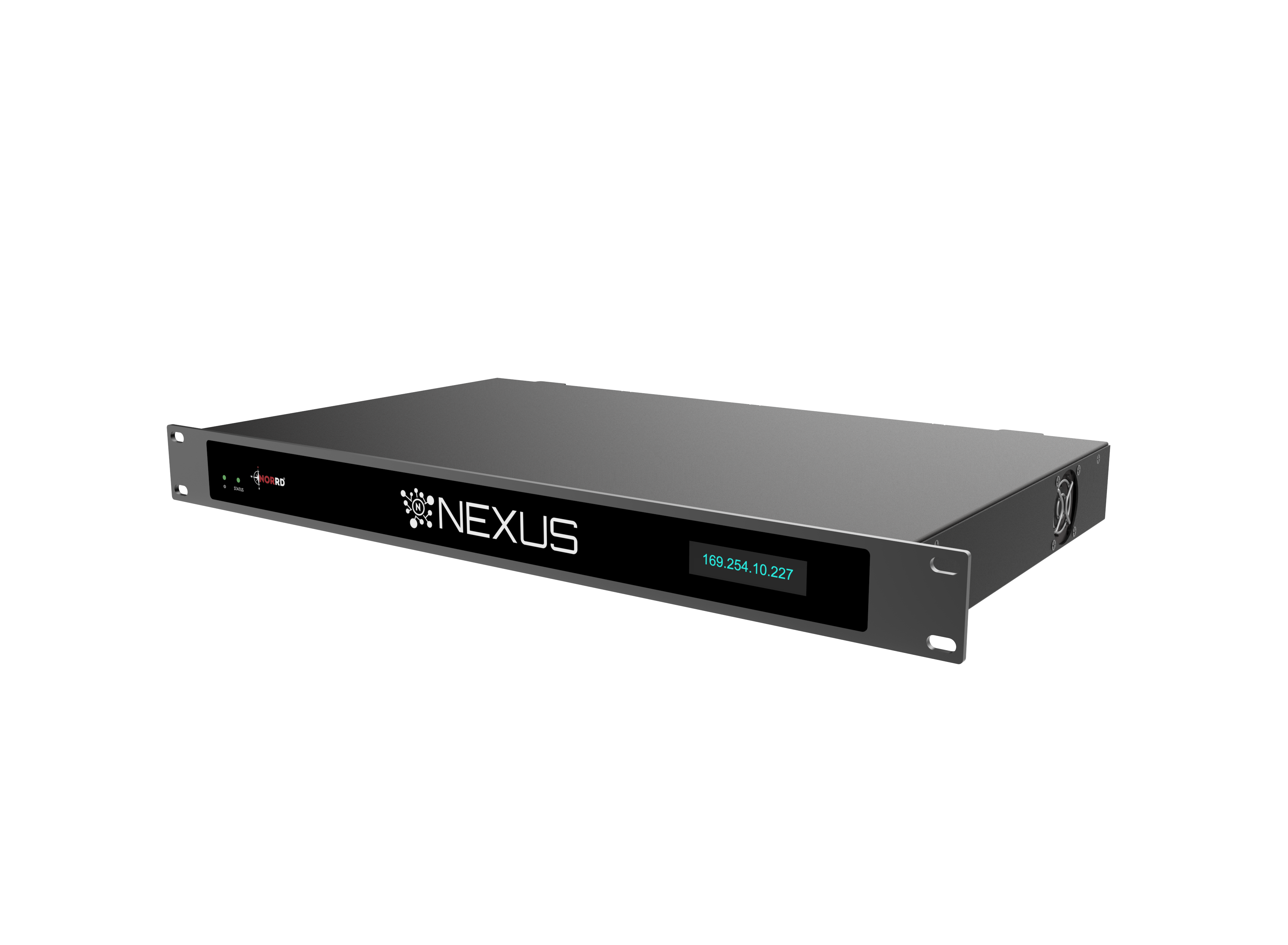
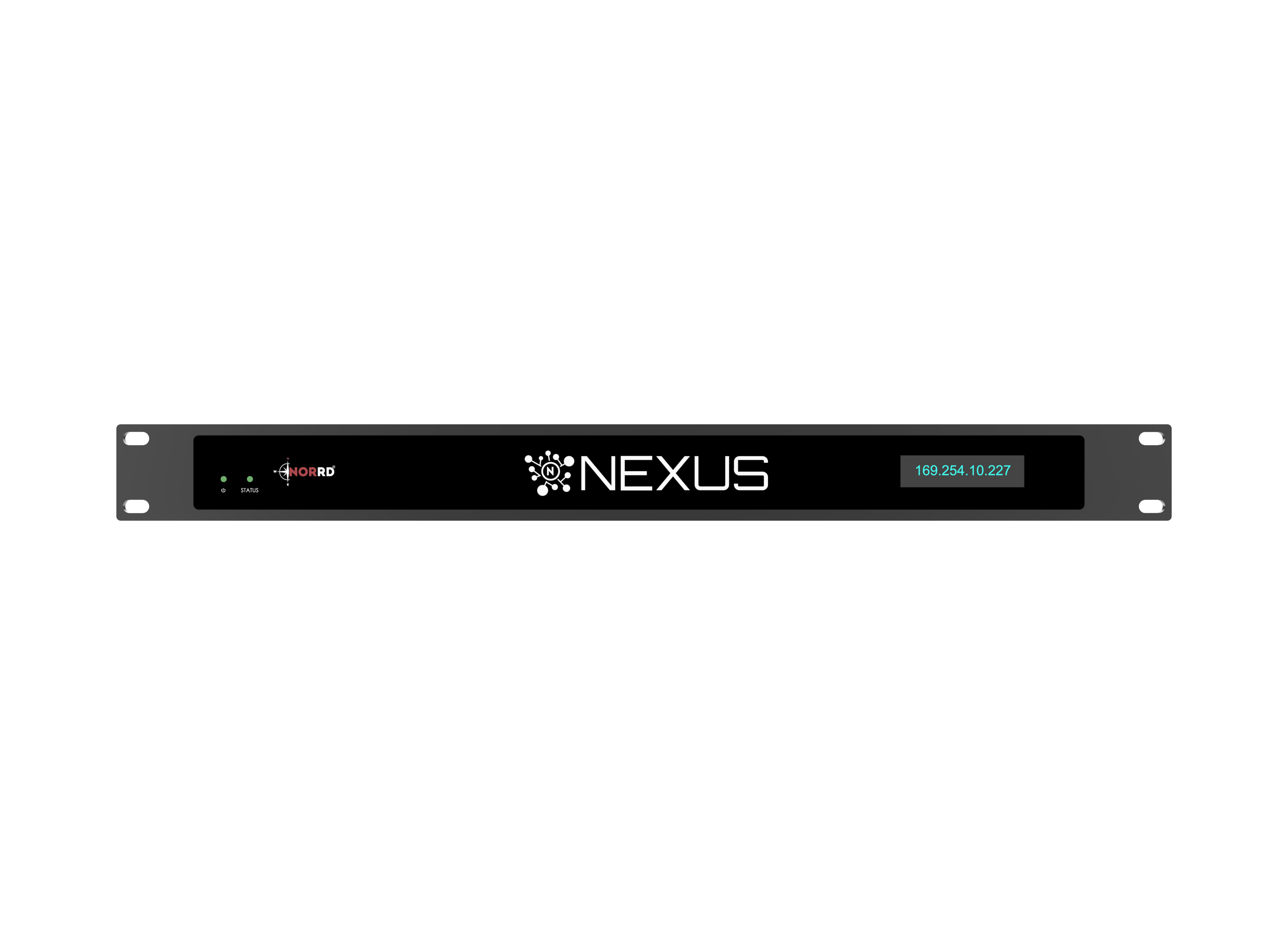
The NEXUS N16 is an 8×8 digital audio processor built on the ADI SHARC 21489 platform, delivering 24-bit/48 kHz audio with a dynamic range of 113 dB and system delay under 3 ms. It provides a full DSP toolset including AEC, ANS, AGC, ANC, auto mixer, and audio ducking across all channels. Ethernet-based device management, RS-232/UDP/TCP control, and a standard 1U rack-mount chassis make it suited for installed conferencing and presentation environments.
8×8 analog I/O
Room DSP core
AEC on every channel
Clear conferencing audio
Full DSP toolkit
AEC, ANS, AGC, automix
Key Features
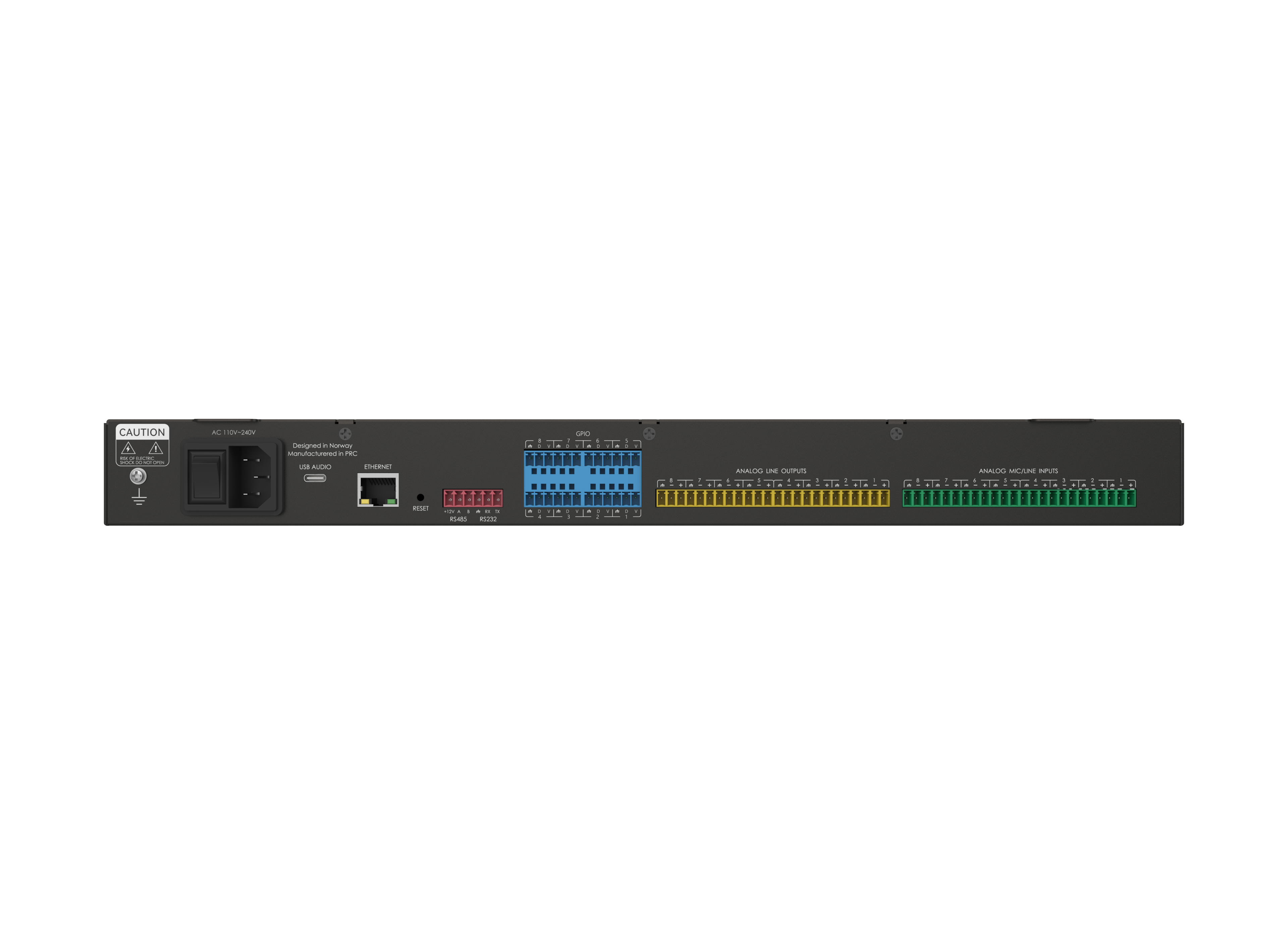
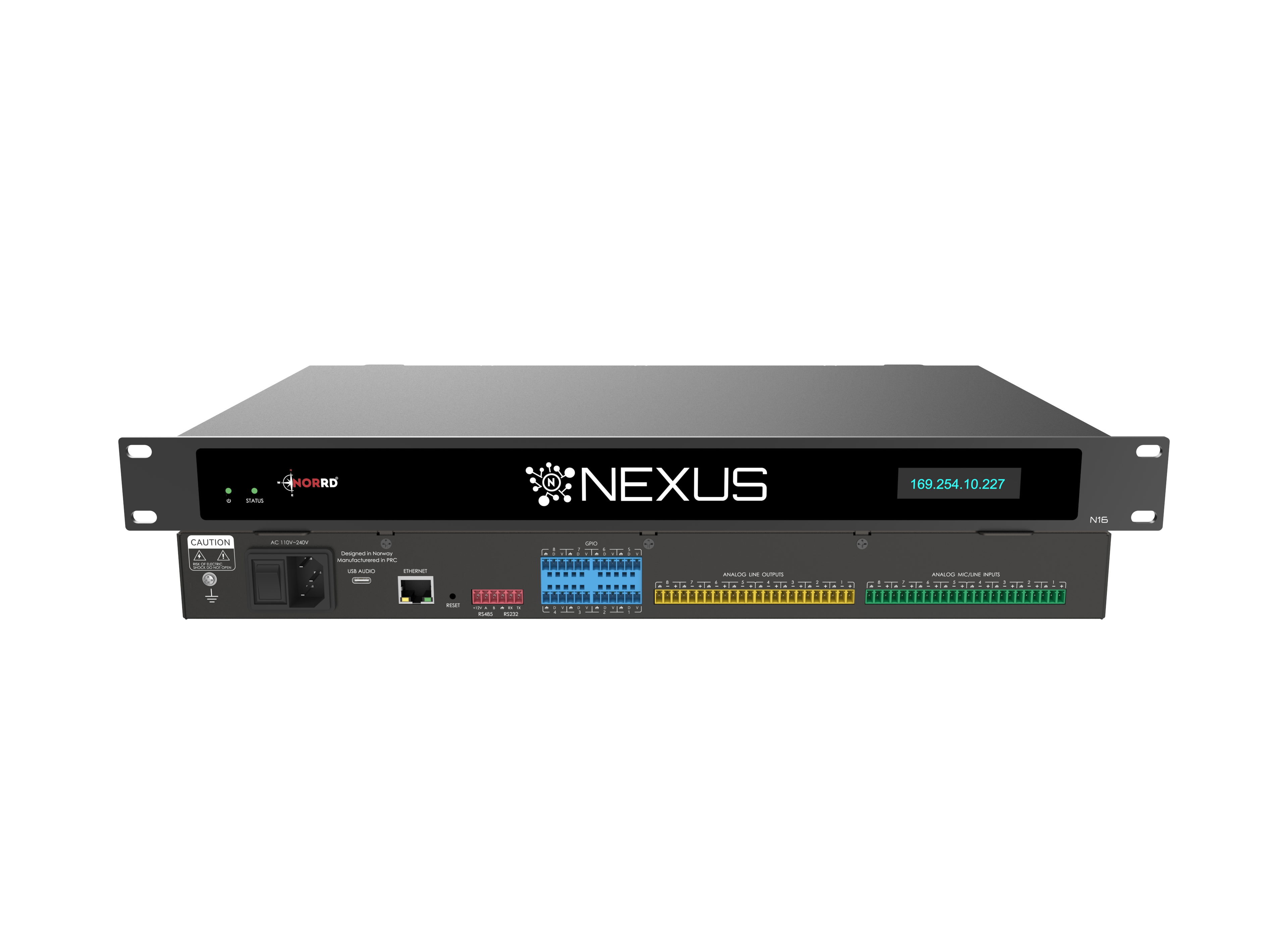
8 balanced analog inputs and 8 balanced analog outputs with +48 V phantom power
Full-duplex AEC and ANS on every channel
Per-channel adaptive feedback suppression (NHS)
Gain sharing auto mixer, AGC, ambient noise compensation, and audio ducking
Full 8×8 mixing matrix with adjustable input gain (0–48 dBu, 3 dB steps)
USB-C sound card with full DSP processing on input and output
8 independent presets with channel linking and grouping
RS-232, UDP and TCP control with iOS/Windows software
Software-programmable wall panels (2 types)
AC 110–240 V power — 1U rack-mount (482 × 260 × 45 mm)
Description
The processing platform — ADI SHARC 21489 at 24-bit/48 kHz — delivers 113 dB dynamic range and THD+N below −95 dB, providing a clean signal floor for rooms with multiple open microphones. System delay stays under 3 ms, which is critical in environments where presenters hear themselves through ceiling speakers or where AEC performance depends on tight timing between reference and return signals.
Each of the eight input channels runs its own independent adaptive feedback suppression, meaning the system can manage varying microphone placements and room acoustics without one channel's correction interfering with another. This is particularly relevant in multi-purpose rooms where furniture layouts change and microphone positions are not fixed. The full-duplex AEC handles simultaneous talk and listen without ducking artifacts — essential for natural dialogue in video conferencing. ANS operates per-channel to reduce steady-state background noise from HVAC, projectors, and other mechanical sources without affecting speech intelligibility.
The gain sharing auto mixer manages open microphone discipline automatically, attenuating inactive channels to keep the noise floor low while responding instantly when a new talker begins. Combined with AGC — which normalizes level differences between quiet and loud speakers — and ambient noise compensation that adjusts output level to match the room's changing noise floor, the system maintains consistent, intelligible audio without operator intervention. Audio ducking allows priority signals such as paging or emergency announcements to automatically reduce program audio.
The full 8×8 mixing matrix with adjustable input levels provides unrestricted routing between any input and any output, supporting complex zone configurations from a single chassis. Eight independent presets allow the room to switch between configurations — for instance, a boardroom layout with table microphones versus a town hall with wireless handhelds — without reprogramming. Channel linking and grouping simplify stereo source management and zone control.
The built-in USB-C sound card interface connects directly to UC platforms such as Microsoft Teams or Zoom and is treated as a native participant in the mixing matrix. Audio from the conferencing platform passes through the same DSP chain as any analog input — ducking, EQ, mixing, and routing all apply. This removes the need for an external USB audio interface or separate processing between the software codec and the room system. All eight analog inputs support +48 V phantom power with gain adjustable from 0 to 48 dBu in 3 dB steps, accommodating everything from condenser gooseneck microphones to wireless receiver line outputs.
Device management runs over Ethernet with multi-device support, allowing several NEXUS processors to be configured and monitored from a single software instance — practical for campus or multi-floor deployments. Control is available via RS-232, UDP, and TCP, covering integration with all major third-party platforms including Crestron, AMX, and Extron. Two types of software-programmable wall panels provide end-user controls such as volume and preset recall without exposing the full system configuration. The N16 accepts PoE or AC 110–240 V power in a standard 1U rack-mount chassis (482 × 260 × 45 mm), supporting clean installations where a single network cable delivers both data and power.
Technical Specifications
Downloads
Product Datasheet
Auto-generated product datasheet (one-pager)